
Industrial growth has helped economies in many countries grow, but it also brings a lot of problems. massive volumes of wastewater. It’s easy to forget that factories, plants, and workshops dump a lot of wastewater down the drain, and this can cause big problems. From environmental pollution to people getting sick, the problems caused by climate change are just too serious not to pay attention to.
In today’s world, every type of business or company, no matter how big or small, needs to look at their wastewater situation in a new way. Investing in a sewage treatment plant (STP) is not only about doing what the law says—it’s about looking after the environment, saving water, and making sure future generations have clean water too.
What Is a Sewage Treatment Plant?
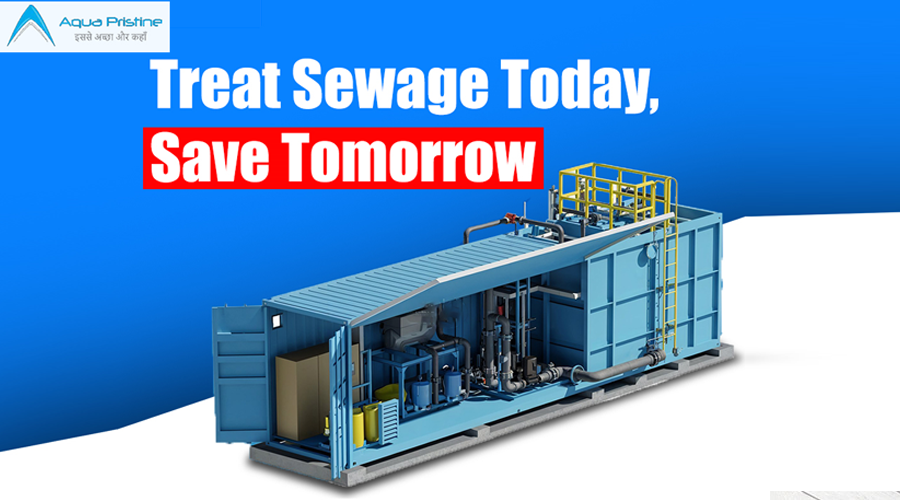
A sewage treatment plant is where harmful contaminants are taken out of wastewater before it is either released or reused. Usually, such systems go through primary, secondary, and sometimes even tertiary treatment to successfully remove solids, organic wastes, pathogens, and chemicals. Being able to discharge or reuse the water after treatment, STPS is a necessary part of any industrial system.
Why Industrial Sewage Matters?
Any industry creates wastewater as a byproduct of its activities. Some toxic materials found in this waste are oils, heavy metals, grease, detergents, and biological waste. For example, high waste is produced in textiles, pharmaceuticals, processing of food processing, tanneries, and chemical industries.
If the water is not treated, it will pollute rivers, lakes, and underground sources. The results? Polluted drinking water, damage to nature, environmental fines, and a ruined reputation.
Every industry needs a sewage treatment plant for these 7 reasons.
We should understand why installing a sewage treatment plant isn’t just a good idea, but is essential for every industry.
Legal Compliance & Environmental Regulations
The CPCB oversees the wastewater discharge in India and ensures it meets tough regulations. Failing to develop an STP can cause problems with the law, stiff penalties, or even cause the plant to shut operates. Using an STP ensures that industries follow the rules and don’t get caught up in extra legal problems.
Cost-Effective in the Long Run
The high cost of setting up an STP is quickly recovered, and the savings increase in the future. If treated water is reused, we reduce how much freshwater we use and our monthly water bills. Besides, treating waste properly assures that penalties will be avoided and waste disposal costs will be kept low.
Safeguards Worker and Community Health
Untreated sewage can make the area smell badly and could put the health of everyone nearby at risk. Putting up a sewage treatment plant makes the area safer, cleaner, and healthier for all concerned.
Promotes Sustainable Brand Image
Now, being environmentally sustainable is something that’s expected of all firms. More and more, customers, investors, and other parties are backing businesses that prioritize greenness. An STP shows that a company is sincere about being responsible.
Enables Water Reuse and Recycling
With STPS, treated water can be put to other uses like toilet flushing, equipment cooling, cleaning, and landscaping. This makes it possible to use less fresh water and takes part in protecting water supplies.
Minimizes Environmental Footprint
The risk of climate change and a lack of water mean industries must do much more to protect the environment. Having a sewage treatment plant helps to reduce pollution and save scarce resources.
Boosts Industry Reputation with Stakeholders
Being eco-friendly will earn you positive rewards from the government and your business partners, and customers. A sewage treatment plant helps enhance the reputation of the organization and improves relationships in every way.
Success Stories & Trends in Adoption
A wide range of industries are starting to include STPS in their business activities. Sewage-activated printing systems treat dyed water for the textile industry, while food factories count on them for waste treatment. Companies are being urged to use more effective treatment since the idea of zero liquid discharge is gaining traction. Organizations see STPS today as crucial for both meeting rules and being smart in their business practices.
What Happens Without an STP?
Choosing to operate without a sewage treatment plant can bring a lot of problems. From protests in the community to bad media attention, from government penalties to water pollution, these problems are too big to ignore. Moreover, if sewage isn’t taken care of, it can harm the environment around the water for a long time and might cause problems that can’t be fixed later.
For companies based in or around Noida, picking the right technology partner is also really important. Today, a lot of companies of sewage treatment plant suppliers in Noida, knowing they can get systems made just for them and that they’ll follow the local rules.
Conclusion
We at Aqua Pristine view sustainability as an important duty, rather than just another term. We take pride in our commitment to the environment and help industries succeed by providing efficient sewage treatment plants.
Each drop of water that we use more wisely today helps secure a better future. Every business should adopt these changes, as they are required by law and also for the betterment of the planet.